
ABOUT US
What Changes When Clinical Knowledge Runs Deeper
Education for veterinary nurses, animal care technicians, shelter professionals, and companion animal practitioners
Clinical knowledge, species-specific care, patient handling, practice operations, and the professional judgment behind sound animal welfare decisions — all covered at the depth that working practitioners in veterinary and animal care environments actually need. Caring about animals is the starting point. Knowing how to care for them well is what these programs develop.

What You Will Gain
The Beliefs That Shape Every Program We Build
Applied animal care knowledge that improves what happens in the consult room, the ward, and the shelter.

Veterinary Practice
Programs covering the management and operational dimensions of veterinary practices and animal care facilities

Species-Specific Care & Husbandry
Practical instruction in the physiological and care requirements of specific animal populations
Animal Behavior & Low-Stress Handling
Programs covering the behavioral science behind animal communication, fear and stress response.

Why Choose Kindred Tails
What Kindred Tails Offers That Generic Animal Care Training Does Not
Most animal care education covers what to do. The knowledge behind why it matters, and what to do when conditions are not ideal, is where professional competence is actually built.
Animal care professional development occupies a wide quality range — from genuinely rigorous clinical education to basic husbandry content that underserves practitioners working in clinical and shelter environments where the knowledge requirements are substantially higher. The gap between those two ends of the spectrum is most visible in the areas that introductory training covers briefly: behavioral assessment, species-specific physiology, clinical monitoring beyond vital sign recording, and the operational disciplines behind facilities where patient welfare is a genuine priority rather than an aspiration.

ready to –
Build the Clinical and Behavioral Knowledge That Makes Animal Care Work Worth the Name
Understanding the physiological basis of a clinical observation means it transfers to new species and new presentations rather than being filed under the context it was first encountered in
services
Explore Our Expertise
Programs for animal care professionals who want to know more, do better, and understand why both matter.
-

Animal Welfare Assessment & Advocacy in Professional Contexts
$ 150,00 -

Exotic & Small Mammal Care Essentials
$ 60,00 -
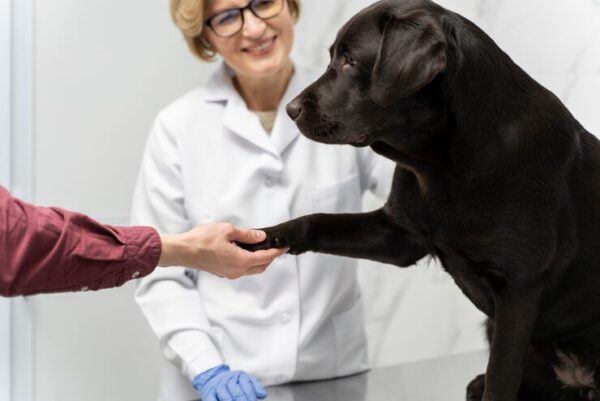
Fear Free & Low-Stress Handling Methodology
$ 40,00 -

Patient Observation & Clinical Monitoring Foundations
$ 15,00 -
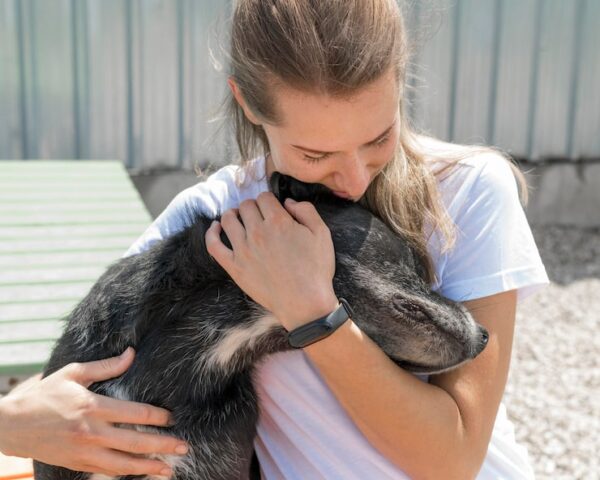
Shelter Animal Behavioral Assessment
$ 90,00 -

Veterinary Client Communication & Practice Operations
$ 110,00